What Is Human Evolution?
- biologyeye01
- Feb 28, 2024
- 3 min read
Human evolution is a captivating narrative of transformation, resilience, and innovation. Spanning millions of years, this journey traces the gradual emergence of Homo sapiens from ancient ancestors and showcases the remarkable adaptations that have shaped our species. From the earliest hominins navigating the African savannah to modern humans traversing the globe, the story of human evolution is a testament to our ability to thrive in diverse environments and overcome challenges. In this comprehensive guide, we will delve into the rich tapestry of human evolution, exploring the key milestones, fascinating discoveries, and profound implications that have defined our evolutionary journey. Join us as we embark on a journey through time to uncover the story of us.
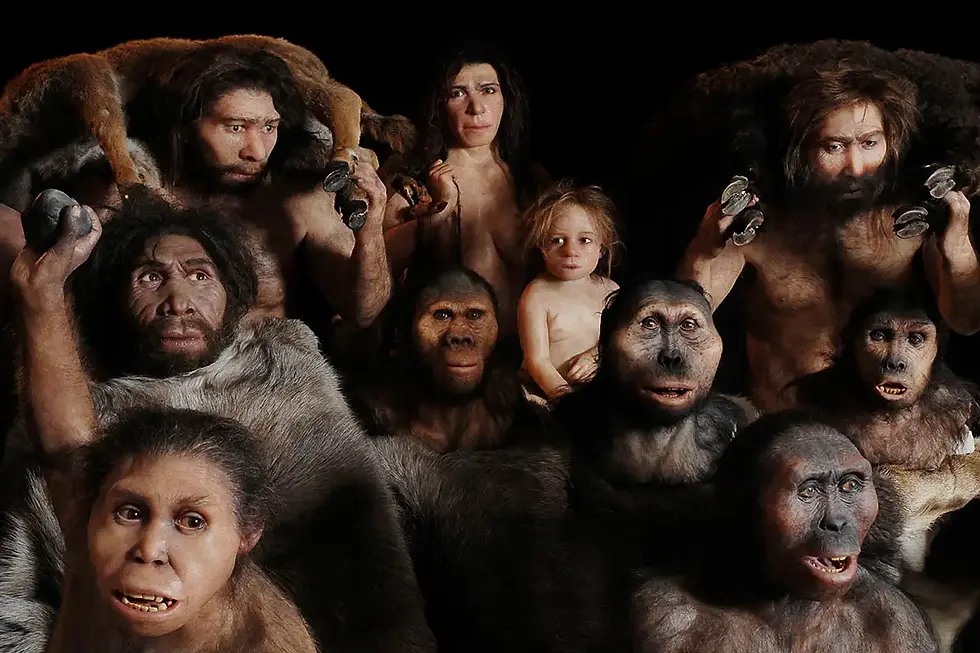
The Origins of Human Evolution
The origins of human evolution can be traced back to approximately 6-7 million years ago, when the lineage of modern humans diverged from that of chimpanzees. This split marked the beginning of a unique evolutionary path that would eventually lead to the emergence of Homo sapiens. The earliest hominins, such as Sahelanthropus tchadensis and Ardipithecus ramidus, lived in Africa and exhibited a combination of primitive ape-like and human-like traits. One of the key developments during this time was bipedalism, or the ability to walk upright on two legs, which freed the hands for other tasks and allowed for more efficient movement across the landscape. Bipedalism was a crucial adaptation that set early hominins apart from their ape ancestors and paved the way for further evolutionary changes.
The Rise of Australopithecines
The rise of Australopithecines occurred between 4 and 2 million years ago and represents a significant chapter in human evolution. Australopithecus, including the famous fossil "Lucy" (Australopithecus afarensis), exhibited a combination of ape-like and human-like features. One of the most important developments during this period was the evolution of fully bipedal locomotion, which freed their hands for tool use and other activities. This adaptation allowed Australopithecines to explore new environments and expand their range. Additionally, Australopithecines showed evidence of increased brain size compared to earlier hominins, as well as the use of simple stone tools. These advancements marked important steps in human evolution, setting the stage for further developments in the genus Homo.
The Emergence of the Genus Homo
The emergence of the genus Homo, which occurred around 2.5 million years ago, represents a significant milestone in human evolution. The earliest members of Homo, such as Homo habilis, showed advancements in tool technology and an increase in brain size compared to earlier hominins. Homo habilis, known for its use of stone tools, marked a transition from the more primitive Australopithecines to the more sophisticated Homo species. This period also saw the development of more complex social behaviors and cultural practices, setting the stage for the evolution of modern humans. The emergence of the genus Homo marked a pivotal moment in human evolution, paving the way for the development of the species that would eventually dominate the planet.
The Evolution of Homo sapiens
The evolution of Homo sapiens, or modern humans, is a complex and fascinating journey that began around 300,000 years ago in Africa. This period saw the gradual emergence of anatomically modern humans, characterized by their high forehead, rounded skull, and reduced brow ridge. Homo sapiens developed advanced tool technologies, such as blades and microliths, which allowed for greater precision and efficiency in hunting and gathering. The development of language, symbolic thinking, and art also distinguished Homo sapiens from earlier hominin species. These cognitive advancements contributed to the formation of complex societies and cultural practices, including the creation of elaborate burial rituals and the production of cave art. The evolution of Homo sapiens represents a remarkable example of adaptability and innovation, leading to the global spread and dominance of our species.
Conclusion
Human evolution is a complex and dynamic process that has shaped who we are as a species. From our humble origins as bipedal primates to the development of sophisticated cultures and societies, the story of human evolution is a testament to our adaptability and resilience. By understanding our evolutionary past, we can gain valuable insights into our present and future as Homo sapiens.
Comments